

Understanding Dynamic Range: How to Preserve Details in Highlights and Shadows
Mastering Dynamic Range for Richer, More Professional Photographs

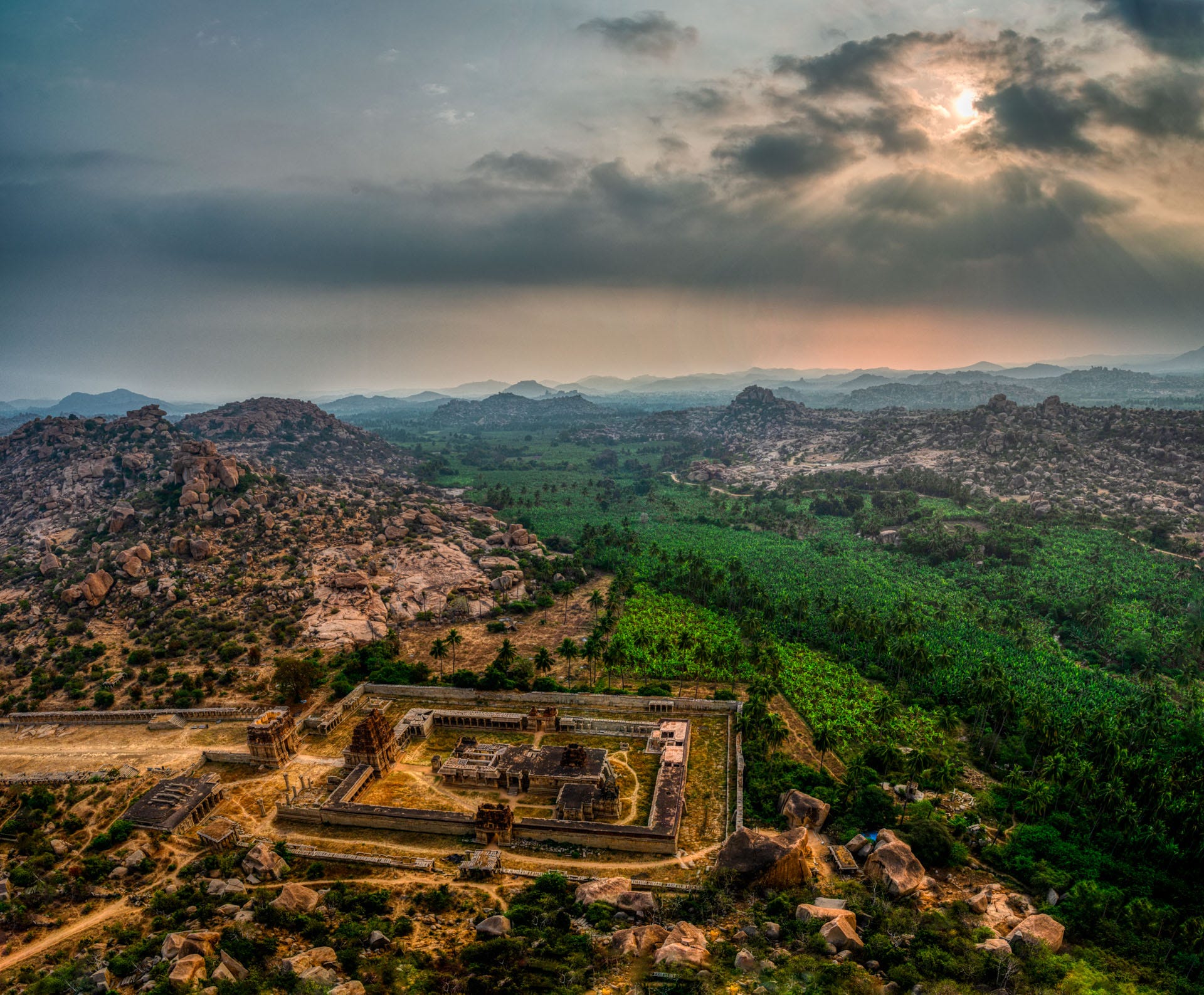
One of the key indicators of professional-quality photography is the ability to retain details in both bright and dark areas of an image. If you have ever taken a photo and noticed that your sky is completely white (overexposed) or your shadows are entirely black (underexposed), you have encountered issues with dynamic range.
Understanding dynamic range is vital for photographers aspiring to capture vibrant, detailed, and visually compelling images. Let's explore what dynamic range is, why it matters, and how you can effectively capture and enhance details in highlights and shadows.
📸 What is Dynamic Range?
Dynamic Range in photography refers to the range of brightness—from the darkest shadows to the brightest highlights—that your camera can capture in a single photo, while still retaining good detail. A camera with a high dynamic range can record more detail in both extremely bright and dark parts of the image simultaneously.
High Dynamic Range: More details in highlights and shadows.
Low Dynamic Range: Lost details; shadows turn black and highlights become pure white.
The greater the dynamic range, the richer and more lifelike your photos become.
🌅 Why is Dynamic Range Important?
Capturing details across the entire tonal spectrum is crucial because it:
Enhances Image Quality: Retaining highlight and shadow detail creates richer, more visually satisfying photographs.
Improves Post-processing Flexibility: Allows you to recover shadows and highlights easily during editing.
Produces Professional Results: Detailed images demonstrate a higher level of photographic skill and quality.
Elevates Aesthetics: Balanced exposure and detail retention make your images appear more aesthetically pleasing and realistic.
📐 Challenges of Dynamic Range in Photography
Cameras (even the best ones) have limitations compared to the human eye:
Human Eye: Has an exceptional dynamic range, naturally capturing details in both shadows and highlights.
Cameras: Typically have a narrower dynamic range, resulting in potential loss of detail.
Understanding these limitations helps you use specific techniques to overcome them, resulting in improved photographic results.
🎯 How to Preserve Details in Highlights and Shadows
Here's how you can effectively manage dynamic range in your photography:
✅ 1. Shoot in RAW Format
RAW files preserve the maximum image information captured by your camera’s sensor.
Provides immense flexibility in post-processing to recover shadow and highlight details.
✅ 2. Use the Histogram
Your camera’s histogram graphically represents the distribution of shadows, midtones, and highlights.
Aim for a balanced histogram without significant spikes on either extreme (left for shadows, right for highlights).
✅ 3. Expose for Highlights
In challenging lighting situations, expose your camera settings to protect highlight details.
It’s easier to recover details from shadows than from blown-out highlights.
✅ 4. Use HDR (High Dynamic Range) Techniques
Take multiple exposures at different brightness levels and merge them in post-processing software (like Lightroom, Photoshop, or Photomatix).
Produces images closer to what the human eye naturally sees, with rich details throughout.
✅ 5. Utilize Graduated Neutral Density (ND) Filters
Ideal for landscape photography, where skies are much brighter than foregrounds.
Balances exposure between bright skies and darker grounds, maintaining details across the entire frame.
🎨 Editing Techniques to Maximize Dynamic Range
Post-processing plays a critical role in preserving and enhancing dynamic range. Consider these steps:
Adjust Shadows and Highlights:
Modern editing software allows fine-tuned adjustments, recovering details without sacrificing image quality.Use Tone Curves:
Precisely control brightness and contrast across highlights, midtones, and shadows.Selective Adjustments:
Use masking, layers, or brush adjustments to selectively enhance details.Avoid Overprocessing:
Preserve realism; overly boosted shadows or highlights can degrade image quality or create unnatural results.
🌟 Common Mistakes to Avoid
Overexposure (blown highlights): Always prioritize exposing for bright areas when faced with extreme contrast.
Extreme Underexposure (blocked shadows): Although shadows can be recovered, extremely underexposed images result in noise.
Overediting: Preserve authenticity by carefully managing shadows and highlights during editing.
🖼️ Quick Checklist for Dynamic Range Mastery
Shoot RAW: Essential for preserving maximum data.
Use Histogram: Check balance during shooting and editing.
Expose for Highlights: Easier shadow recovery in post-processing.
Consider HDR or Filters: For scenes with extreme contrast.
Edit Smartly: Adjust shadows, highlights, and use selective edits carefully.
📸 Creative Examples & Applications
Landscape Photography:
Capture stunning sunset scenes without losing sky or foreground details.Portrait Photography:
Retain natural skin tones and background details even in challenging light.Architectural Photography:
Clearly show exterior details under harsh midday sunlight.Street Photography:
Maintain details in shadows and bright areas, capturing the authenticity of street life.
🌟 Final Thoughts: Transform Your Images by Mastering Dynamic Range
Understanding and effectively managing dynamic range empowers you to create images with remarkable clarity, depth, and aesthetic appeal. A photo that successfully retains highlight and shadow detail feels vibrant, balanced, and professional.
Remember, dynamic range mastery is a combination of thoughtful shooting techniques and skillful editing. By developing your understanding and applying these insights, you'll elevate your photography, creating images that stand out visually and professionally.
🚀 Join My Photography Community!
Do you wish to produce consistently aesthetic, high-quality, professional images? Join my exclusive photography community!
In this community, you’ll learn practical skills, advanced editing techniques, and creative approaches to photography. Together, we'll master the art of capturing and producing visually striking and professionally impressive photographs.
👉 Subscribe now to be part of our growing community, and elevate your photography to professional levels!
Let's create photographic excellence together. 📷✨
Very valuable inputs ! Enjoyed going through it !