

📸 Best Camera Settings for Portrait Photography
Unlock the Secrets to Creating Stunning and Professional Portraits

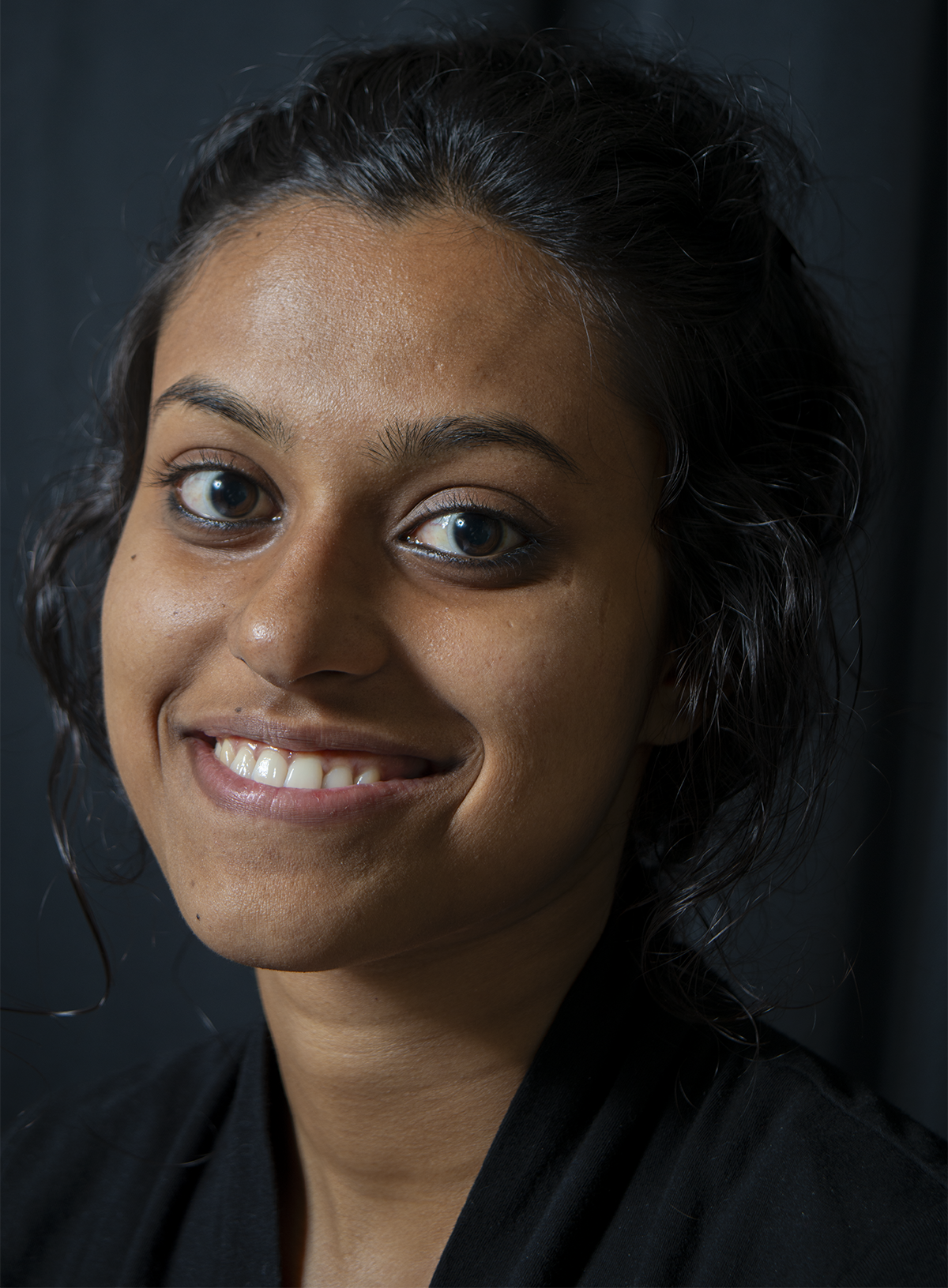
Portrait photography is more than just pointing a camera at someone and clicking the shutter. It’s about capturing personality, emotion, and expression—and the camera settings you choose play a huge role in how successful your image turns out. Whether you’re shooting in natural light, using studio setups, or capturing candid moments, understanding the right camera settings is essential for producing professional-quality portraits.
1. Aperture (f-stop): Control Depth of Field
For portraits, a wide aperture (small f-number) is often preferred.
Recommended Setting: f/1.8 to f/2.8 for creamy background blur (bokeh)
Why it matters: This isolates your subject from the background, making them pop in the image.
For group portraits, a narrower aperture like f/5.6 or f/8 may be used to keep everyone in focus.
2. Shutter Speed: Avoid Motion Blur
Since portraits usually involve relatively still subjects, the shutter speed doesn’t have to be extremely fast—but it must be fast enough to avoid camera shake or subject movement.
Recommended Setting: At least 1/125 sec for handheld shots
If your subject is moving, increase to 1/250 sec or faster.
3. ISO: Keep it Low for Cleaner Images
ISO determines your camera’s sensitivity to light.
Recommended Setting: ISO 100–400 for well-lit environments
Increase ISO only, when necessary, in low light to avoid noise.
Today’s modern cameras can deliver good performance even at ISO 1600 or 3200, provided they are paired with suitable lighting or post-processing.
4. Focus Mode: Always Focus on the Eyes
The eyes are the windows to the soul—and in portraits, sharp eyes are essential.
Use Single Point AF and set it on the subject’s eye (especially the nearer eye if only one is in focus).
Many modern cameras offer Eye-AF tracking—use it!
5. White Balance: Get Natural Skin Tones
Use custom white balance or presets that best match the light:
Daylight, Cloudy, or Flash presets for natural light
Use a gray card or Kelvin settings for accuracy
Avoid overly cool or warm tones that distort skin color
6. Lens Choice: Use a Good Portrait Lens
Prime lenses like 50mm, 85mm, or 135mm are great for sharpness and background blur.
A 70-200mm zoom lens also works beautifully for portraits, especially outdoors.
7. Shooting Mode: Manual or Aperture Priority (Av/A)
If you’re still learning, Aperture Priority is a great mode to control depth of field and let the camera handle the shutter.
Manual mode gives you full control and is preferred as you advance.
8. Lighting Considerations
Use soft, diffused lighting—natural window light, reflectors, or soft boxes.
Avoid harsh midday sunlight unless using it creatively for shadows or drama.
Backlighting with a fill light or reflector can add a magical touch to your portraits.
9. Bonus Tips:
Shoot in RAW to get full control during editing
Use a tripod for stability, especially in studio setups
Direct your subject to relax—natural expressions always shine
Be mindful of backgrounds, props, and colours for story and harmony
🎯 Final Thoughts:
Portrait photography is a balance of technical control and emotional connection. The more comfortable you become with your camera settings, the more you'll be able to focus on your subject and the story you want to tell through your lens.
📩 Call to Action:
If you're passionate about portrait photography and want to learn step-by-step techniques to take stunning, professional-quality images, subscribe to my Substack newsletter!
👉 Stay updated with in-depth tutorials, visual guides, and announcements about my exclusive online photography courses.
Join a growing community of learners and artists who are building their photography skills one frame at a time.
See you on the inside!
— Chidanand